Episode 5
Episode 5: How to Create a Simple Business Plan (That Actually Works)
Episode 5 – How to Create a Simple Business Plan (That Actually Works)
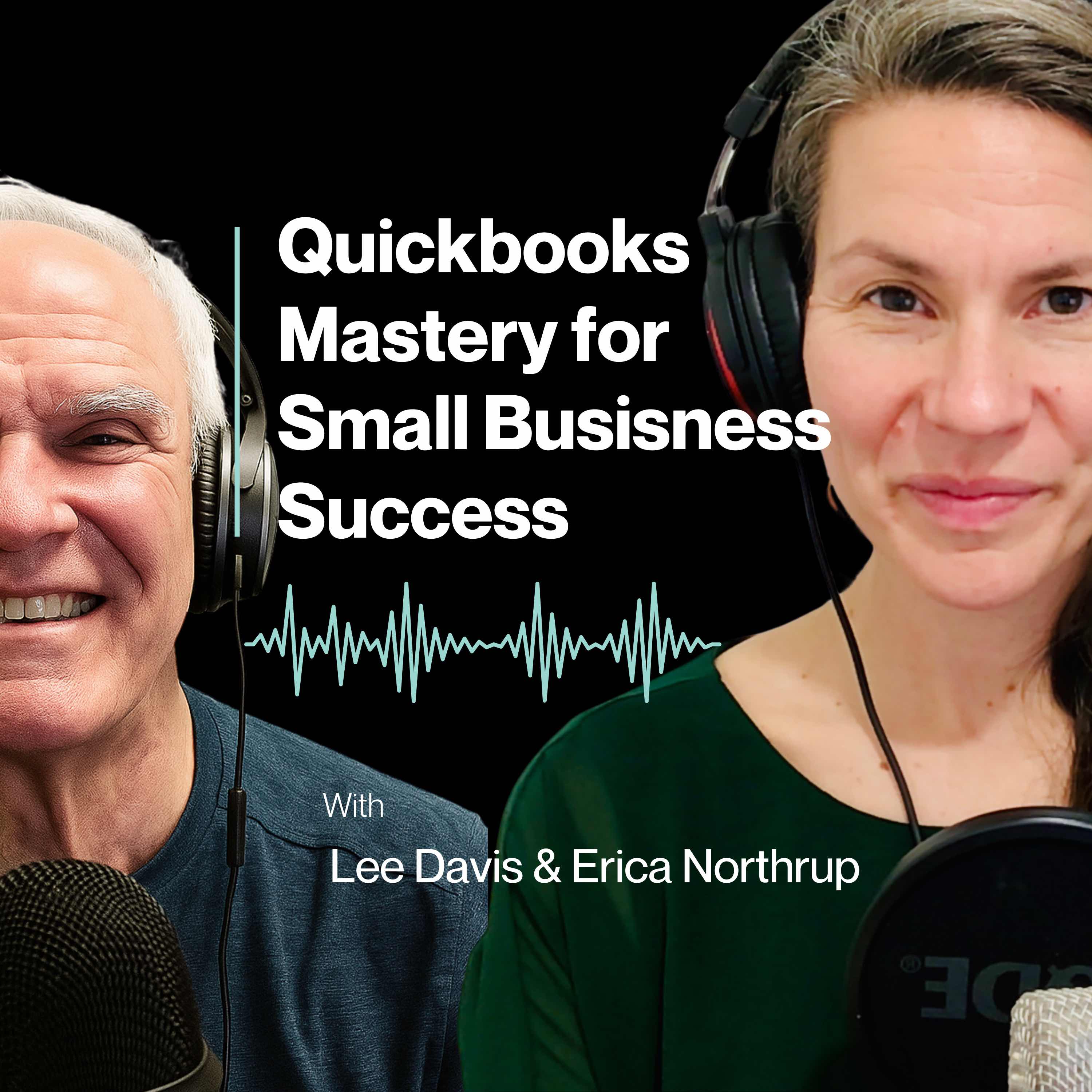
In this episode of QuickBooks Mastery for Small Business Success, father-daughter team Erica Northrup and Lee Davisdig into one of the most overlooked foundations of a healthy business: the business plan.
They start with a real story from Lee’s week—a potential client who reached out before jumping in—and contrast that with the many owners who launch with nothing but an LLC, an EIN, and a handful of credit cards. From there, they unpack why a business plan doesn’t need to be a 30-page document full of jargon—but it does need to be clear, simple, and actionable.
Lee shares how his own business started with an SBA-backed loan, a strong credit score, and a well-thought-out plan that covered structure, legal setup, and an operating agreement. Erica brings in her marketing perspective—especially around defining your ideal customer, niching down, and using both online marketing and old-fashioned word of mouth to build a sustainable client base.
Together, they walk through the 5 core sections every simple business plan should have and a 7-step framework you can use to build or refresh your plan—whether you are just starting or expanding an existing business. The episode closes with a 90-day action challenge and a free one-page business plan template to help you get started right away.
Listeners will gain clarity, encouragement, and practical steps they can put into motion immediately, plus a clear link between business planning now and budgeting in next week’s episode.
Key Takeaways
- A business plan isn’t busywork—it’s your roadmap so you lead your business instead of just reacting.
- The best business plans are short, specific, and focused on what you do, who you serve, and how you make money.
- Every business plan should cover 5 core areas: business overview, goals, products/services, marketing, and financials.
- Defining your ideal customer and your niche makes marketing easier and helps you say “no” to the wrong clients.
- Listing your revenue streams and key expenses gives you realistic numbers to bring to the bank—and keeps you out of the 14-credit-card trap.
- Word of mouth plus genuine relationship-building is still one of the most effective low-cost marketing strategies.
- Your business plan is a living document—review it at least annually (or quarterly) and adjust as you grow.
- A clear plan today sets you up for a smarter budget tomorrow, which Erica and Lee will walk through in Episode 6.
Questions to Reflect On
- Do I have a written business plan—or has most of my planning been in my head?
- If I had to explain my business in 2–3 sentences, who I serve, and how I help them, what would I say?
- What are the three biggest “rocks” that would truly move the needle in my business over the next year?
- Do I clearly understand my main revenue streams, pricing, and top 5–6 expenses?
- When was the last time I revisited my business plan or goals and adjusted them based on what’s actually happening?
Mentioned in This Episode
- Free Business Plan Template
- Use this simple, guided template to map out your mission, ideal customer, goals, revenue streams, expenses, and marketing snapshot for the next 12 months.
- 👉 Download The Free Business Plan Here
- Free 3-Part Quick Start Guide to Getting Started with QuickBooks
- Download at: www.leedavisandcompany.com
- Send Us Your Questions:
- Email: support@leedavisandcompany.com
Timestamps
Chapters:
- 00:02 - Introduction to QuickBooks Mastery
- 00:36 - The Importance of a Business Plan
- 18:35 - Defining Your Business Goals
- 27:51 - Creating a Sustainable Business Plan
- 31:04 - Action Steps for Business Growth
Call to Action
If you enjoyed this episode, hit subscribe and stay connected with us at leedavisandcompany.com.
Download our free 3-Part Quick Start Guide to get started with QuickBooks the right way.
Have a QuickBooks question? Send it to support@leedavisandcompany.com — your question may be featured in a future episode.
And don’t forget to grab your free business plan template in the show notes so you can map out your next 90 days.
Transcript
Welcome to QuickBooks mastery for small Business Success.
Speaker A:I'm Erica Northrup.
Speaker B:And I'm Lee Davis.
Speaker A:I handle the tech and he handles the numbers.
Speaker A:And together as a father daughter team, we bring decades of experience helping small to medium sized businesses thrive.
Speaker B:We know that as a business owner, your time is best spent mastering your craft and growing your business, not getting lost in QuickBooks.
Speaker B:Managing finances can be confusing and you don't have hours to waste sorting through spreadsheets or fixing bookkeeping mistakes.
Speaker B:That's where we come in, helping you streamline QuickBooks so you can focus on building your business.
Speaker A:Each week we break it all down into simple, actionable steps so you can focus on growing your business, not fixing your books.
Speaker B:Let's embark on this journey together.
Speaker A:Welcome back to QuickBooks mastery for small Business Success.
Speaker A:I'm Erica Northrup.
Speaker B:And I'm Lee Davis.
Speaker A:And this is episode five, how to create a simple Business plan that actually works.
Speaker A:Okay, people, we are going to dig into this topic that we were just talking about, just briefly before we actually started this episode.
Speaker A:We actually had another episode plan and we pivoted because my papa had an experience this week that really hit home that having a business plan is so, so important.
Speaker A:I'm excited about this because as you were kind of talking about our roots and where you started and how you got your loan and this is all a part of it and such an important step that I think a lot of people overlook.
Speaker B:You know, Erica, I think it's so true.
Speaker B:I think oftentimes people, when they think about starting the business, all they think about perhaps is getting their ein number and off they go and register the LLC and you know, they're in business.
Speaker B:I think that is a very common mistake and which is why more than 60% of businesses fail within the first year.
Speaker A:That's a staggering statistic.
Speaker B:I mean, people get started and they haven't really given clear thought to the kind of business and all the areas in the way of a business plan that would help them set the right foundation and move forward.
Speaker A:They have this idea and they're excited about this idea, this product they want to bring to market or the service they want to offer.
Speaker A:And they just throw everything out there.
Speaker A:But then they realize they haven't built the foundation right.
Speaker A:They haven't really built the strong foundation and have the direction on where they're going.
Speaker A:And that's kind of why every business needs a business plan, right?
Speaker A:Without a plan, you're just simply reacting instead of leading, instead of actually moving forward with purpose and Knowing exactly what you want to do.
Speaker B:I was telling you I had a call from a business, and it's really refreshing when you get a call for somebody who's really thinking that they'd like to do this and they've already taken a few steps.
Speaker B:How could Lee Davis and company help them?
Speaker B:And she had looked at our website and she felt like that we would offer the kind of help and guidance that would help them be successful.
Speaker B:And so, yeah, I think that so many factors come into play when you're considering a business, and I think they all lead back to really, the foundation of what does it take to start a business?
Speaker B:And it really does start with the business plan.
Speaker A:I mean, these days you wouldn't set out on a road trip without having a map, without having your Google Maps or back in the 80s, your.
Speaker A:Right, your paper map.
Speaker A:I mean, you just wouldn't do that.
Speaker A:You wouldn't just say, okay, I want to make it all the way to California.
Speaker A:You've never been to California before, and you have no idea how to get.
Speaker B:To California in today's economy, you know, where financing and interest rates, they're not low.
Speaker B:So if you're going to work with a bank, having a good banking relationship and establishing that and finding out early on what you're going to need and asking the right questions and having a good understanding about the financial opportunities that, you know, you're going to both experience and.
Speaker B:And challenges you're facing.
Speaker B:Because we've been in business quite a few years, I've seen a lot of different people come to me after they've made a series of bad business decisions.
Speaker B:I think some people have felt like they could use multiple credit cards to start their business.
Speaker B:And.
Speaker A:Yep.
Speaker B:And one client who came to me for training, they had 14 credit cards.
Speaker A:14.
Speaker B:14 credit cards.
Speaker B:I'm not sure I've ever seen somebody with 14 credit cards.
Speaker B:That's the way they got the financing to start their business.
Speaker A:That's what they had to do.
Speaker B:And so they took cash advances and.
Speaker B:But that proved out to be, in the end, a serious mistake.
Speaker B:So, you know, getting back to what would be the right financial choice, whether you initially get started out or you fail in the first year.
Speaker B:But I think the idea of a business plan, certainly you can choose.
Speaker B:We're going to go through and outline a business plan, but you don't have to spend days on a business plan.
Speaker B:The SBA has a nice outline for it.
Speaker A:Yeah, I was actually going to say we talked about ways that don't really truly work when you first start your business, like taking out 14 different credit cards or using multiple credit cards or cash.
Speaker A:You know, all those things.
Speaker A:And I feel like the way that we started our business that when you started back ten plus years ago.
Speaker B:Yeah.
Speaker A:You were talking about you started with the sba.
Speaker A:So talk a little bit about that and what they expected from you and how was that sort of transition into starting your business and having that kind of clean slate?
Speaker A:Because if people are getting started, this would be the way to do it.
Speaker A:And if they're not, if they've done it not the most ideal way, they can pivot and do it this way and with some help and get things cleaned up and move in this direction.
Speaker A:So talk about when that started and what it looked like.
Speaker B:Yeah, I think one of the areas that when we first got started, it is important that you have some kind of financial asset or something to use to start your business.
Speaker B:If it's not cash, it needs to be your home that you can leverage with a home equity.
Speaker B:And quite frankly, you need to have a credit score that is 80 or above.
Speaker B:So having a good credit score and some equity allows you to, to at least go into a bank and if you don't have financial track record with your business yet, go into the bank with a business plan.
Speaker B:If you have the option of taking out a home equity line, maybe secure part of the financing, because in the business plan, the bank's not going to lend you or give you all you need financially.
Speaker B:But certainly if you have a way, and as this business did that I was working with this week, they're going to use their home equity to start their business, and they're going to then work and put that business plan together and work with the bank over a period of time to really get the necessary financing that they'll need.
Speaker B:So it's a good foundation.
Speaker B:I think when we started, I thought it was good therapy to do the business plan.
Speaker A:Yeah.
Speaker B:Because it allowed me to ask some of the questions and to dive deeper into what it would take for us to, to get the business started and the challenges that we'd face.
Speaker B:So it was important.
Speaker B:And I think one of the areas that I thought was critical is I used an attorney to decide, you know, really what should be the structure of the business.
Speaker B:And then once we determined the structure, then I could file for my ein.
Speaker B:So whatever the structure, I think it's important that you don't miss that step.
Speaker B:So as part of the business plan, you really need to think about what kind of structure do I need and what are the risks?
Speaker B:What kind of risk am I taking to start this business?
Speaker A:Right.
Speaker B:That's just an area I think is probably the most important.
Speaker B:When I thought about my business plan, and besides, I had an operating agreement.
Speaker B:I hadn't thought about an operating agreement, but I've used that operating agreement over the years.
Speaker B:People have asked me for our operating agreement.
Speaker B:Those kinds of things are important.
Speaker B:Once you've moved over those legal type issues, then you're going to say, all right, what is it?
Speaker B:And I started to think about, okay, well, what is my expertise and what networking am I going to do?
Speaker B:Think about marketing.
Speaker B:I started really giving some thought to, okay, well, what does it look like?
Speaker B:Who is my customer?
Speaker A:Right.
Speaker B:And who's going to send me business.
Speaker A:Right.
Speaker B:So in our business, it was decided that part of what would need to occur is I'd need to build relationships with accountants.
Speaker B:I began to say, okay, who are the accountants I need to reach out to?
Speaker A:Yeah.
Speaker A:Yes.
Speaker A:You're basically.
Speaker A:Those are your funnels.
Speaker A:Right.
Speaker A:Your accountants are your funnels that are funneling people towards you.
Speaker A:You know, in any business, you kind of have two customers, you have your direct customer, but then you have the custom that's referring you your business and really working on those relationships.
Speaker A:Because I guess at the end of the day, when it comes down to it, the three main reasons why you need a business plan.
Speaker A:Right.
Speaker A:Is helping you to set revenue targets, prioritizing spending, and preparing for growth or challenges.
Speaker B:Right.
Speaker A:Those would be the three.
Speaker A:Right.
Speaker A:The three main reasons why you would actually put together a business plan.
Speaker B:Yeah.
Speaker B:And I think if you have people, if you have some colleagues that are in a similar business or they're not exactly, but they're very familiar with your business.
Speaker B:What you're talking about is really sit down and talk with them about how they got started and what does their business plan look like.
Speaker B:And yes, what would they suggest?
Speaker B:That some of the challenges that you.
Speaker A:Might face, A mentor is huge.
Speaker A:Someone that's already been there, done that.
Speaker A:That's a way that you can circumvent and really help with moving that business along and not being stuck with your wheels just turning.
Speaker A:Yeah, absolutely.
Speaker B:And so I think what happened is, as I worked on the business plan and put it together, I was then able to bring it to the bank and apply for an SBA loan.
Speaker B:And what the banker told me when I brought the paperwork in, she says, well, this is really good.
Speaker B:She said, but I can also tell you your credit score.
Speaker B:We don't see many with that kind of Excellent credit score.
Speaker B:So the combination of having a good financial history and also a good solid business plan, but also being personable is willing to listen to the banker and build that relationship became critical in achieving.
Speaker B:And ultimately I wound up getting the financing we needed, plus an additional line of credit with this bank.
Speaker B:But it was a good start to use the sba.
Speaker B:And the advantages of using the SBA is the banks are not on the hook for the whole loan, so that if the business goes under, the SBA will guarantee it and the banks look for that kind of COVID And the SBA does offer oftentimes much more favorable interest rates than our commercial type loan would be.
Speaker B:When I talk to the potential client this week, I was talking with her about a particular bank and I said, you may want to consider this bank because they seem to be very favorable toward businesses once you've done your homework, not make you jump through all kinds of hoops to get financing.
Speaker A:So now that I think we have drilled into people why they need a business plan, if you don't have one yet, it's never too late to start and have that clear direction on where you're going.
Speaker A:Even if you started your business and you didn't do this, now is the time to do that.
Speaker A:We're going to talk about the five core sections that you need on your business plan.
Speaker A:And then we're going to go over a step by step guide on how to create that business plan.
Speaker A:So the five core sections would be business overview, so what you do and who you serve, goals, which would be revenue, profit growth, targets for the year, products and services, so what you sell and how you deliver, marketing plan, how you attract customers, and then your financial plan.
Speaker A:So revenue streams and key expenses.
Speaker A:This is where your budget fits in.
Speaker A:Which will be our next episode that we'll have coming out next week.
Speaker A:So stay tuned for that one.
Speaker A:But let's just talk about these five core sections.
Speaker A:What do you think when you think about that SBA loan that you applied for and the business plan that had you fill out the templates you use then?
Speaker A:Were these the main buckets that you had to go through for that template?
Speaker B:Yeah, I think you've hit it right on the head.
Speaker B:What is it you do and who do you serve and the more specific you can identify out to your services, then you're going to be much more successful.
Speaker B:So rather than just say that I did bookkeeping for small businesses, which would be broad, and I said, no, I want to focus on these core small businesses.
Speaker B:This is the market and While I do bookkeeping, this is specifically what I do.
Speaker B:And so that while you don't get into the minutiae, you do start to think about what is it exactly that you do.
Speaker B:And so you want to make sure you have that very clear in your mind, because you don't want to take on a customer or take on work that's really outside your scope.
Speaker A:Right.
Speaker A:Leave your yes as your yes.
Speaker A:Whatever you do, that's your hard yes.
Speaker A:And that's where I find where businesses really start to grow.
Speaker A:Right.
Speaker A:Is when they really niche down and they become known for this particular thing.
Speaker A:I think about the success you've had, like, you've gotten known for doing what you do, and you do it really well.
Speaker B:Yeah, I don't do individual financial work.
Speaker B:That was very clear on that.
Speaker B:I wanted to focus on the contractors or the plumbers or the well guy getting into bookkeeping for service businesses.
Speaker B:That would be more apt to be people who I would serve and people who really need a bookkeeper.
Speaker B:They don't have the expertise to take care of their bookkeeping, and they get into financial trouble when they've done that.
Speaker B:They understand the value of a good bookkeeper.
Speaker B:So really defining who you serve in what you do and then also understanding what your passion is and what you really enjoy to do.
Speaker A:If you love what you do, you will never work a day in your life.
Speaker B:Good point.
Speaker B:That's certainly important about who you serve.
Speaker A:Yeah.
Speaker A:Which is the step.
Speaker A:One, it's defining your mission and your vision.
Speaker A:And with that, where do you want to be in three to five years?
Speaker A:I think another step that people miss is mapping that out.
Speaker A:Right.
Speaker A:If you don't have this question clear roadmap, you're just aimlessly moving around.
Speaker A:If you don't know, Okay, I want to hit these targets in a year, in two years, in five years, in 10 years.
Speaker A:Now, your roadmap and your business plan, all that might change.
Speaker A:But having a place to start is huge.
Speaker B:Well, and two, you don't want to create your business plan and just give it to the SBA and put it on the shelf.
Speaker B:You want to pull it down.
Speaker B:You want to keep it on your workspace.
Speaker B:In three months or six months, say, oh, yeah, how am I doing?
Speaker B:What should I project?
Speaker B:Yeah, maybe I need to revise my business plan.
Speaker B:So you don't want to just do it once and say, well, I got the loan.
Speaker B:I'm all set.
Speaker B:No, it becomes a living document.
Speaker A:Right.
Speaker A:I heard this tip from John Maxwell, and he talked about that last week of the Year after Christmas and before New Year's, most people are off.
Speaker A:There's not a lot of business going on.
Speaker A:So he actually uses that time to take an audit of his entire business.
Speaker A:Right.
Speaker A:And so that means revisiting that plan.
Speaker A:Revisiting your business plan.
Speaker A:Okay, how.
Speaker A:How did the year go?
Speaker A:Where am I going next year?
Speaker A:And I think setting up those.
Speaker A:Whether you do it yearly and quarterly, however you decide to do it, I'm going to put on my calendar and this is when I'm going to get to this.
Speaker A:And I'm going to do it.
Speaker A:Yeah, yeah.
Speaker A:It's huge.
Speaker A:Okay, so then step two is identifying your ideal customer.
Speaker A:I don't know if you remember, but this is something that we did in the very beginning.
Speaker A:I had gone to a conference somewhere and forget even who it was, but there was a speaker that was talking about your ideal customer and understanding your ideal customer.
Speaker A:Getting into the mind of your customer and understanding what is their problem and how can I solve their problem?
Speaker A:How can I serve them in a way that's going to actually help them and move them in a better place?
Speaker A:People ask me advice about websites all the time, and it's probably my number one tip about websites, and we'll get a little bit to marketing, but is to talk about your ideal customer and talk about their problems.
Speaker A:People don't really care about what you do until they know that what you do solves their problem.
Speaker B:That's right.
Speaker B:So you need to drill it down to your elevator speed.
Speaker B:Yeah.
Speaker B:You get down to two or three sentences that say, you know what?
Speaker B:How can I serve?
Speaker B:How can I help you?
Speaker B:You know, how do I solve your problem?
Speaker A:Yeah, how do I solve your problem?
Speaker B:Absolutely, yes.
Speaker A:I think really not just having some fictitious person choose someone.
Speaker A:Choose someone you actually know who would be your ideal client.
Speaker A:And sometimes that's you.
Speaker A:Right.
Speaker A:A year ago, five years ago, we get into business to solve a problem we have experienced in our own lives.
Speaker A:So name your ideal customer, know where they hang out, know how they think, know who they are.
Speaker A:Because if you know these things about them, that's where you're able to find them and actually serve them.
Speaker A:And then your business grows.
Speaker A:Right.
Speaker A:If you're serving people, if you're actually solving problems and fixing people's problems, you will never, ever struggle a day in your life when it comes to actually having the flow that you're looking for, having the revenue come in, because you're solving a very specific problem.
Speaker A:And the more niche, down and specific you can get, the more successful you're going to be.
Speaker A:Absolutely.
Speaker A:Okay.
Speaker A:So then step three is set three to five smart goals for the year.
Speaker A:What are your thoughts on goals?
Speaker A:Papa would love to know that.
Speaker B:Well, I think don't make them complex.
Speaker B:Make them very short and simple.
Speaker B:Go back to think about why you started your business and what is it that you think would be goals that you would like to see achieve.
Speaker B:It's not all about the revenue, but you definitely want to set a revenue goal for your business.
Speaker B:You also want to set a goal to go after a certain type of client base or customer base, and then within these goals, don't make individual steps, just get your goals out.
Speaker B:It's like brainstorming with yourself.
Speaker A:Absolutely.
Speaker B:And then you can fill it in.
Speaker A:Yeah.
Speaker A:I find if you look at the three biggest rocks, like, what are the three biggest things in your business that would actually move the needle forward and develop your goals around that?
Speaker A:Right.
Speaker A:Because if you get so granular on a particular goal, it's not necessarily going to actually help you.
Speaker A:But if you look at what are the three big rocks that if I focus on those things and really pour my energy into those things and set goals around those things, everything's going to trickle down and it will affect these little tiny areas when you first start your business.
Speaker A:Right.
Speaker A:There's so many different avenues and aspects to a business that it can be overwhelming.
Speaker A:It can paralyze you.
Speaker A:So just choose three things, three goals that are going to really help you to move your business along.
Speaker B:Yeah.
Speaker B:It may also help you decide what certain type of clients or customers you're interested in.
Speaker B:Because if they don't fall in one of those three big rocks when you created that, you know you don't want to take them.
Speaker A:Yeah, absolutely.
Speaker A:Well, this is where knowing again, going back to what we just talked about, knowing your ideal customer, the more you know exactly who you're serving, when you see somebody coming your way that is not your ideal customer, you can move them in another direction.
Speaker A:But maybe the product you have could serve them.
Speaker A:But the more specific you can get about who that ideal customer is, the more people you'll attract.
Speaker A:It just depends on the business you're doing.
Speaker A:But if you set a broad net, you get nobody.
Speaker A:But if you get very specific, you'll get everybody, which is great.
Speaker A:And then you could funnel people in the right direction.
Speaker A:If there's someone you can serve, great.
Speaker A:If not, you have other people and resources that you can move them towards.
Speaker A:So then step number four, list your revenue streams and pricing.
Speaker A:How will you make money?
Speaker A:Right.
Speaker A:I mean, we're in business to make money.
Speaker A:Let's not forget that.
Speaker B:I mean, I tell people all the time, one of the questions I tell them that we got to answer is, how do you make money?
Speaker B:And so that oftentimes helps me and also help myself to think about, okay, what kind of systems do I need in place?
Speaker B:What kind of services does that mean?
Speaker B:Products, subscriptions.
Speaker B:And I think if you can answer that, then it will help you to really look at your revenue stream and also to be able to analyze your pricing.
Speaker B:And I think what's been critical over the years and like our website is we've been very transparent about our fees.
Speaker A:Yeah.
Speaker B:And I think the clients who go there appreciate that.
Speaker B:And therefore, by the time that they get to me, they've already looked at our website and know what services we offer, they know what product and they know about our fees.
Speaker B:And so when I was doing my business plan, I went out and tried to get a sense for pricing.
Speaker B:And I didn't get a real good sense that people share their fees on their website.
Speaker B:So, you know, that's where we've been very different.
Speaker B:That because people can go on my website, they can see what our services cost, but somehow you got to get a sense for pricing.
Speaker B:You got to know high, middle, low.
Speaker A:Right.
Speaker B:You know, so you don't want to be the highest, you don't want to be the lowest.
Speaker B:You want to somehow be in the middle.
Speaker A:In the middle, yes.
Speaker A:And that comes down to doing your research.
Speaker A:Right.
Speaker A:And this is what a plan does.
Speaker A:It really helps you to dig in and do that research.
Speaker A:And there's so many good resources out now that can really help you to do that research really effectively and do that market research.
Speaker B:Yeah, it's good to really hone down exactly what services do you offer and what products do you offer.
Speaker B:I think that getting to those answers are going to help you get a good revenue stream.
Speaker A:Absolutely, absolutely.
Speaker A:Okay, so then step number five is outline key expenses.
Speaker A:I think this is important, right?
Speaker A:Whatever amount of money that you're going to be asking for from the bank.
Speaker A:And it's good to know what, what are those expenses?
Speaker A:So, you know, what is the ballpark that you need to be asking the bank for?
Speaker A:And just like you said earlier, like the bank is not going to give you all the money that you ask for, but you said a realistic, okay, you know what I need, you know, 5,000, 6,000 to get my website off the ground.
Speaker A:I need, you know, this amount of money that's going to go towards, let's Just say you're opening some kind of lawn care business.
Speaker A:Right.
Speaker A:So I need, you know, $20,000 to get the, the equipment that I need to effectively run my business, you know, whatever the case may be, knowing exactly what those are and writing those out.
Speaker B:Right.
Speaker A:That, you know, how much you're going to ask the bank for.
Speaker A:Simple as I think.
Speaker A:Right, right.
Speaker B:The bank's going to want, I mean, you want to outline your expenses and you don't want to just minimize them.
Speaker A:Right.
Speaker B:You want to be pretty clear about, you know, if your example of that, that lawn care business, a mower, an initial one mower may cost $17,000.
Speaker A:Right.
Speaker B:Okay.
Speaker B:So if you think you need three mowers, right.
Speaker B:To start with, or you think you could start with one or depending on how many lawns you have, how many mowers you need.
Speaker B:So, you know, understanding what volume of your business and then really getting a sense about your expenses.
Speaker B:But you're going to look to try and keep your expenses at a minimal, for sure.
Speaker B:But you want to be realistic about the cost to start up a business because you don't want to get down and that you've started and you're out of money and you got to go back to the bank again and that won't work.
Speaker B:You want to be realistic and the banks don't look at those things too.
Speaker B:But you think about marketing, like you say a website minimum might be five to $7,000.
Speaker A:Right.
Speaker B:And you want to decide, well, okay, what does my payroll look like for maybe the first six months, a year, two years?
Speaker B:Because you want your business plan as far as your financials to stretch out for three years so that they can see growth and they can see expenses and, you know, so that you have a good idea about your cost of goods sold.
Speaker B:What's it going to cost you before you deliver your product?
Speaker B:What's it going to cost?
Speaker B:And before you have any other expenses, what's your cost of goods sold?
Speaker B:Just so you get a good handle on that, you have a good idea about your costs and you know, whether you should be considering that rent for $4,000 or whether you may want to consider working out of your garage to start.
Speaker A:Right.
Speaker B:Make sure you've figured out why you have to have that $4,000 a month rent and how you can produce the income based on that $4,000 a month.
Speaker A:Right.
Speaker A:Really helps you to make the right decisions.
Speaker B:Yeah.
Speaker A:When you have all of this in place, when you know where you're going and what things are going to look like at that yeah, it's important.
Speaker B:And then also you want to figure out, you know, how are you going to get paid?
Speaker A:Right?
Speaker A:Absolutely.
Speaker A:And we're going to talk about that in a couple of weeks is exactly like, how do you pay yourself as a business owner?
Speaker A:What does that look like?
Speaker A:You know, I think it's something that people really struggle with.
Speaker A:How do you both sustain your business and also give you that revenue that you need, maintain your life so that you're successfully doing what you want to be doing?
Speaker B:And the other area that I think is really important is, okay, so you've gone through your business plan, you've gone to the bank.
Speaker B:So what's my debt service?
Speaker B:How am I going to pay back my loan?
Speaker B:How much is it?
Speaker B:So, you know, key expenses are if you can keep your initial debt service down to a minimum, you put some money into your business, because whether you took a home equity loan and you decide to pay it back yourself, the point is that if you have some capital to start your business, then you're going to have that much greater success.
Speaker B:And when you think about putting in your financial based on your income and your expenses.
Speaker B:So keeping your debt down to a minimum is going to help you get started.
Speaker A:Absolutely.
Speaker A:We're going to be doing an episode on budgeting next week.
Speaker A:We'll dive a little deeper into creating those budgets.
Speaker A:That just rolls right into having the business plan.
Speaker A:So when you have that budget, actually knowing how you're going to spend that money and using the tools and QuickBooks, this process, even easier having and successfully running a very smart business.
Speaker B:Yeah.
Speaker A:Awesome.
Speaker A:And so then step number six is the marketing snapshot.
Speaker A:And this is kind of, of course, my wheelhouse, but I think knowing where will you focus?
Speaker A:There's so many different avenues, so many different ways that you can market these days.
Speaker A:Advertising used to be so expensive.
Speaker A:Right.
Speaker A:The threshold of where you could actually advertise as a startup was really very minimal.
Speaker A:Now you have social media, you have web presence, you have websites.
Speaker A:I mean, there's so many different avenues now that I know it can be very overwhelming.
Speaker A:But again, it comes back to knowing who your clients are and knowing where they hang out.
Speaker A:Where did your clients hang out on the web?
Speaker A:You know, are they on Facebook?
Speaker A:Are they in Instagram?
Speaker A:Are they on TikTok?
Speaker A:Do they actually read their emails, texting notifications?
Speaker A:Do they look at.
Speaker A:Are they willing to opt in to texting notifications?
Speaker A:Are they willing to get on and browse the Internet?
Speaker A:Do they know how to use Google?
Speaker A:So having a clear vision and knowing who your clients are, knowing where they hang out, it makes the marketing piece a lot easier.
Speaker A:Makes it knowing actually where do you want to focus your energy and where do you want to actually build your business using an Internet presence?
Speaker A:And now these days, I mean, you can build without an Internet presence, but you're really shooting yourself in the foot if you don't build using the Internet.
Speaker B:Well, you really need a good website.
Speaker B:The other area that I find in marketing is just the good old fashioned word of mouth.
Speaker B:Word of mouth, you know, you do a good job for a client.
Speaker B:Somebody says to them, well, who do you use?
Speaker A:Right?
Speaker B:And they said, I've got a really good guy I use.
Speaker A:Yeah.
Speaker B:And you take care of your referral sources.
Speaker B:You know, you consider remembering them at Christmas.
Speaker B:Low cost, no cost marketing.
Speaker B:While it might be the old fashioned way a bit, it still works where you drop by the office and you might give them a mug or you might drop by some.
Speaker B:Something special for them at the holiday at Christmas.
Speaker A:Absolutely.
Speaker B:Or the office, you serve people.
Speaker B:So if you.
Speaker B:And you would be of all great people to talk about loving on people.
Speaker B:If you care about people, they know it.
Speaker B:And you drop by and you know, you say, yeah, I can take care of that issue for you, you know, and you may not.
Speaker B:You just may go by and see them.
Speaker A:Yeah.
Speaker B:They might say, I've got this problem I think you can help me with.
Speaker A:Right.
Speaker B:I think word of mouth and really just caring and knowing about your customers, your clients.
Speaker A:The little extra touches.
Speaker B:Yeah.
Speaker A:Yep, yep.
Speaker B:So I think that's.
Speaker B:There are low cost, no cost marketing you can consider in addition to having a good website or having an SEO presence, whatever your focus is.
Speaker B:And you can look at your niche marketing people, you know, and they've got a niche.
Speaker A:Yes.
Speaker B:And people think of them when they think of this niche, making sure you've made it clear what your niche is.
Speaker A:Absolutely.
Speaker A:Okay, so now we come to step number seven.
Speaker A:And this is your action step.
Speaker A:And I really.
Speaker B:Yeah.
Speaker A:I don't want people to just listen to this podcast and just do nothing about it.
Speaker A:I want to be giving people actionable steps.
Speaker A:So this podcast actually helps you move the needle forward.
Speaker A:Right.
Speaker A:So what are the next 90 days?
Speaker A:What are you going to do in the next 90 days?
Speaker A:I want you to sign tasks and deadlines and, and if you don't have that business plan, I want you to do that business plan or if you need to revisit that business plan, like this is the time.
Speaker A:And I'm actually going to based off of what we went over in this podcast, I'm going to create a business plan, a template, but I'm going to include one in the show notes.
Speaker A:Just click on it and you can start right now, like this instant.
Speaker A:You can start working on that business plan to start really honing in and having that roadmap that you need.
Speaker A:So what do you think about that, Papa?
Speaker A:Do you think that's a good idea for people?
Speaker B:I think it's a great idea if you think about a new business.
Speaker B:I think if you have an existing business and you're thinking about maybe you want to buy another business.
Speaker B:And I think what you would be most helpful to do is draft a quick business plan for that acquisition.
Speaker A:Yes, absolutely.
Speaker B:And so you have just a good roadmap, but don't leave out the business plan for that expansion.
Speaker B:Just don't leave that part out.
Speaker B:That's a good action item.
Speaker B:But say if you're gonna grow your business, dust off your business plan or prepare one, or just get a good idea about what your goals are for this new business and get started with it.
Speaker A:Yes, absolutely.
Speaker A:Like, don't hesitate.
Speaker A:Do it now.
Speaker A:Because even if you have been in a business for a while and maybe you're stuck at a certain place in your business and you really want to grow, I think having a good direction is going to help you to grow.
Speaker A:It's going to help you to move to the place that you actually want to be in your business, whatever that might be.
Speaker A:That is awesome.
Speaker A:Well, Papa, I think that was a great episode, and I think people are really going to enjoy that and really use this information and help their business grow to the next level, because that's what we're here for.
Speaker B:Great.
Speaker A:Okay, so next week, people tune in because we are going to be talking about budgeting.
Speaker A:Do you have any quick thoughts on budgeting and what we'll be talking about next week?
Speaker B:Budgeting goes right along with that business plan.
Speaker A:Yeah.
Speaker B:And I think if.
Speaker B:If you take your budget to heart and oftentimes people will just take their budget from the previous year and add 5% to it.
Speaker B:Don't do it.
Speaker B:Take your budget and really analyze it.
Speaker B:Look at what your five or your six most costly expenses are and really drill down and look at what those expenses are and start thinking, do I need this particular expense, or can I go out and look at another alternative for this expense?
Speaker B:Or maybe I don't need it at all.
Speaker A:Right.
Speaker B:Think about your budget as a really important tool to forecast where you're going to be the end of the year end of six months.
Speaker B:Sometimes people find when they review their budget, review the expenses that they're paying for things they don't need, right?
Speaker B:Or they should be paying for something else that they need and they can build it into the plan.
Speaker B:But use that budget as your financial roadmap to success.
Speaker A:I love that and I'm looking forward to next week.
Speaker A:Even myself.
Speaker A:Awesome.
Speaker A:Well you guys, thank you so much for tuning in.
Speaker A:We look forward to see you next week.
Speaker A:And if you found any value in this whatsoever, make sure you subscribe.
Speaker A:Hit that like button.
Speaker A:Give us a review.
Speaker A:We'd love to hear your thoughts.
Speaker A:We'd love to know what you would like us to talk about.
Speaker A:So send us an email@infoe davis&company.com and we'll get back to you for sure.
Speaker A:Oh, and don't forget, I'm going to include a freebie in the show notes of this episode, so feel free to click on that.
Speaker A:It'll be a great business plan to help you get started, so have a great day, enjoy the rest of your week and we'll see you next week.
Speaker A:Thanks for tuning in to QuickBooks mastery for small Business Success.
Speaker B:If you enjoyed this episode, hit subscribe and stay connected with us at leedavis.
Speaker A:And company.com we know QuickBooks can be overwhelming, so we've put together a free resource to help you get started right away.
Speaker A:Grab your copy@leedaviscompany.com and when you do, you'll also get access to our VIP email list where we share exclusive QuickBooks tips, business strategies and support, and we'd.
Speaker B:Love to hear from you.
Speaker B:If you have have a QuickBooks question or a business challenge, send it our way@supporteadavidsoncompany.com we might feature it in a future episode.
Speaker A:We're here to help you simplify QuickBooks and grow your business one step at a time.
Speaker A:See you next time.